How Construction Companies Are Using AI to Reduce Costs in 2026
Construction margins are thin and getting thinner. The companies protecting their profitability in 2026 are using AI to find and eliminate the cost leaks that erode margins on every project — before they become too expensive to fix.
Construction has always operated on thin margins. Material costs fluctuate. Labor is expensive and hard to find. Projects run over schedule. Change orders get disputed. Subcontractors underperform. Any one of these problems can turn a profitable job into a break-even or money-losing one — and on larger projects the cost of getting it wrong is measured in hundreds of thousands of dollars.
AI is giving construction companies new tools to identify and address cost risks earlier, manage resources more efficiently, and protect the margins that determine whether a construction business is genuinely profitable or just busy. Here is exactly how the most forward-thinking construction companies are using AI to reduce costs in 2026.
Where Construction Costs Leak
Before looking at how AI reduces costs it helps to understand where construction costs typically leak. Studies of construction project financials consistently identify the same culprits — inaccurate initial estimates that set the wrong budget baseline, material waste and over-ordering that drives up material costs, schedule delays that extend labor costs beyond what was planned, rework caused by errors discovered late in the project, and change order disputes that result in unbilled work.
AI tools are addressing each of these cost leak points with varying degrees of effectiveness in 2026. Here is what is working.
6 Ways Construction Companies Are Using AI to Cut Costs
1. More Accurate Estimates That Protect Margins From Day One
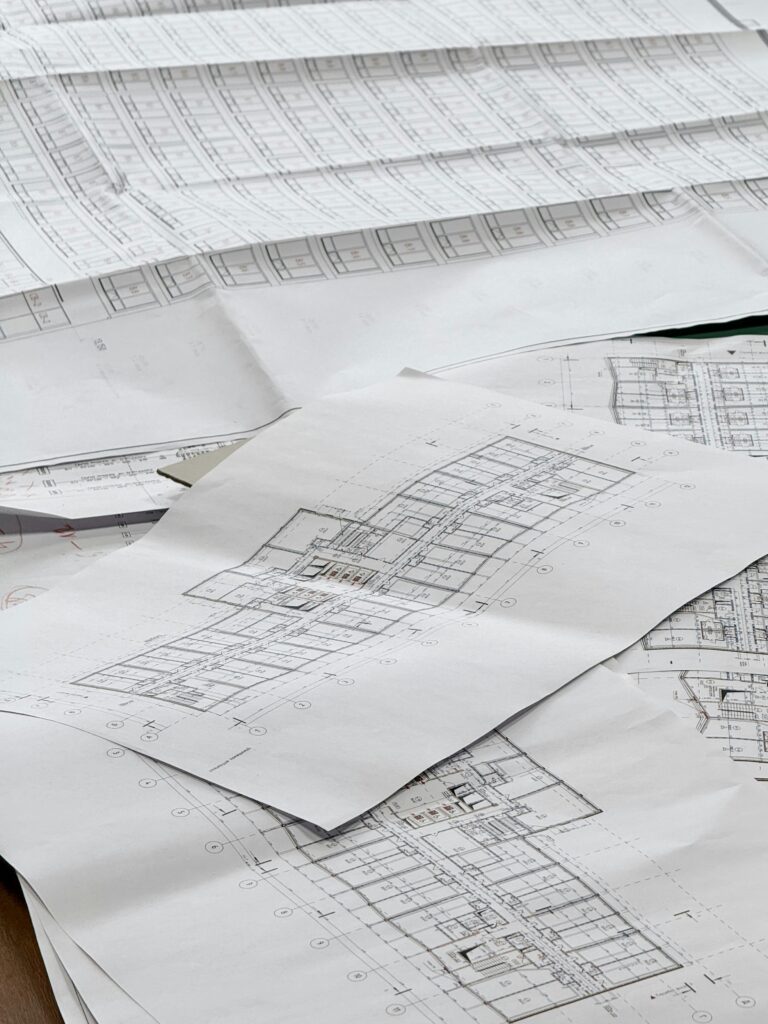
The most expensive cost problem in construction starts before a shovel hits the ground — an inaccurate estimate that sets an unrealistic budget. AI estimating tools like Togal.AI automatically measure quantities from drawings with consistent accuracy eliminating the human errors and omissions that cause estimates to miss. More importantly AI estimating systems that track actual vs estimated costs across completed jobs progressively improve their accuracy on future estimates — learning from every project where costs ran over and adjusting the estimating model accordingly. Construction companies using AI-assisted estimating consistently report fewer budget surprises and better margin protection on completed projects.
2. Real-Time Budget Tracking That Catches Overruns Early
On most construction projects the project manager finds out about a budget overrun when it is already too late to do much about it — at the monthly cost report or when a subcontractor submits an invoice that blows through a budget line. AI project management platforms like Procore track actual costs against budget in real time and flag variances the moment they appear rather than waiting for the next reporting cycle. A project manager who knows a cost code is running 15% over budget in week three of a 20-week project still has options to course correct. A project manager who finds out in week 18 does not.
3. AI-Powered Schedule Optimization That Reduces Labor Costs
Labor is the largest controllable cost on most construction projects and schedule inefficiency is the primary driver of labor cost overruns. When trades are sequenced incorrectly, workers end up waiting for preceding work to be completed before they can start — paid time where no value is being created. AI scheduling tools analyze the interdependencies between different trades and work packages and optimize the sequence to minimize waiting time and maximize the productivity of every crew on site. Construction companies using AI-optimized scheduling consistently report better labor productivity and fewer instances of crews standing by waiting for other work to be completed.
4. Material Waste Reduction Through AI Inventory Management
Material waste is a significant cost on construction projects — industry studies suggest that 10-15% of materials on a typical construction site end up as waste rather than installed work. AI inventory management tools track material deliveries, consumption, and waste in real time — identifying which materials are being over-ordered, where waste is occurring, and when materials are being damaged or stolen on site. Construction companies that systematically track material waste using AI tools find specific and actionable opportunities to reduce it that would be invisible with manual tracking. On large projects even a 2-3% reduction in material waste can represent significant dollar savings.
5. Early Detection of Quality Issues That Would Require Costly Rework
Rework — tearing out completed work and redoing it because it was not done correctly — is one of the most expensive cost items in construction. AI progress tracking tools like Buildots that use cameras and computer vision to compare actual site conditions against design documents can identify deviations from the design early enough to correct them before they get buried in subsequent work. Finding a wall framed 3 inches off location before the drywall goes on costs a fraction of what it costs to discover the same problem after finishes are complete. AI-powered quality monitoring catches these issues at the earliest and cheapest stage of the correction process.
6. Automated Change Order Documentation That Captures All Billable Work
Change orders are a revenue opportunity on construction projects but many GCs lose that revenue because the change order documentation process is manual and inconsistent. AI project management systems automatically log every deviation from the original scope, attach the relevant communications and photos, and generate change order requests with the supporting documentation that makes them difficult for owners to dispute. Construction companies using AI-assisted change order management consistently recover more billable work and experience fewer change order disputes than those relying on manual documentation processes.
The Tools Making This Possible
Procore is the most comprehensive platform for real-time budget tracking, change order management, and project financial visibility — the features that most directly protect construction company margins.
Togal.AI delivers the accurate AI-powered estimating that protects margins from the very first step — an accurate estimate is the foundation of a profitable project.
Buildots provides the AI progress tracking and quality monitoring that catches expensive problems at the earliest and cheapest stage of correction.
The Bottom Line
Construction margins are too thin to absorb the cost leaks that AI tools can prevent. The companies using AI for estimating accuracy, real-time budget tracking, schedule optimization, material management, quality monitoring, and change order documentation are systematically protecting margins that their competitors are losing to preventable cost overruns.
The technology is accessible, the ROI is measurable, and the construction companies that adopt it now are building a competitive cost advantage that compounds with every project they complete. The ones waiting are funding that advantage for their competitors every time a project runs over budget.
For a full breakdown of every AI tool available for contractors and construction professionals, visit our AI Tools for Contractors, Builders & Construction Professionals page.